
Author: Millermarker

The Future of Website and Application Development: Navigating New FrontiersThe Future of Website and Application Development: Navigating New Frontiers

Website and application development has undergone a radical transformation over the past decade, with new technologies, tools, and frameworks making it easier for developers to create complex and scalable digital solutions. As the demand for innovative, user-centered applications grows, the development landscape continues to evolve, presenting both opportunities and challenges. The future of website and application development promises exciting advancements, particularly in areas like artificial intelligence (AI), cloud computing, security, and cross-platform experiences.

In this article, we will explore some of the most significant trends that are shaping the future of web and app development, highlighting the key innovations that developers should watch out for.

1. The Shift to Cross-Platform Development

Cross-platform development has emerged as one of the most significant trends in web and app development. With users engaging with a wide variety of devices, from smartphones and tablets to desktops and wearables, the need for apps that perform seamlessly across platforms is more important than ever.

The Benefits of Cross-Platform Development:

  • Cost Efficiency: Developing a single codebase for multiple platforms reduces both the development time and costs. This approach eliminates the need for separate teams for iOS and Android development, streamlining the overall process.
  • Consistency in User Experience: Cross-platform frameworks like React Native, Flutter, and Xamarin allow developers to maintain a consistent user experience across devices. Whether users are on a phone, tablet, or desktop, the app's design and functionality remain the same.
  • Faster Time to Market: With a single codebase that can be deployed to various platforms, businesses can launch their applications much faster, allowing them to stay competitive in a fast-paced market.

Cross-platform development frameworks are becoming increasingly sophisticated, enabling developers to build powerful apps without sacrificing performance or user experience.

2. Artificial Intelligence (AI) and Machine Learning (ML) Integration

Artificial intelligence and machine learning have already made their mark in the world of website and app development, but their role is set to grow exponentially in the coming years. These technologies are enabling developers to build smarter, more personalized applications that can analyze data, predict user behavior, and automate tasks.

How AI and ML Are Revolutionizing Development:

  • Personalization: AI and ML algorithms can analyze user data to provide personalized recommendations and experiences. From product recommendations on e-commerce sites to personalized content feeds on social media, AI-powered personalization is now a core feature in many applications.
  • Automation: AI-driven automation is improving efficiency in both development and user interactions. Chatbots, virtual assistants, and automated customer support are transforming the way businesses interact with their customers, enabling 24/7 service and reducing operational costs.
  • Enhanced User Experience: AI and ML can be used to enhance user interfaces (UI), enabling predictive text, voice recognition, and intelligent search functionalities. By learning from user behavior, these applications can adapt to individual preferences, making the experience more intuitive.

As AI and ML technologies continue to evolve, they will provide developers with new tools for creating advanced applications that go beyond the capabilities of traditional software.

3. Progressive Web Apps (PWAs)

Progressive Web Apps (PWAs) are quickly becoming a game-changer for developers looking to combine the best features of websites and native mobile applications. PWAs are built to work seamlessly on any device, delivering a native app-like experience through a web browser.

Why PWAs Are Gaining Traction:

  • Offline Capabilities: PWAs can function offline or in low-network conditions by storing resources on the user's device. This makes them ideal for users in areas with poor connectivity, improving the overall experience.
  • No App Store Hassles: Unlike traditional mobile apps, PWAs don’t need to be downloaded from an app store. This eliminates the barriers to entry and reduces the friction for users to engage with the app.
  • Faster Load Times: PWAs are optimized for fast performance, offering quick load times and smooth interactions. This is particularly beneficial for e-commerce sites and other businesses looking to provide a seamless user experience.
  • Cost-Effective: PWAs are generally more affordable to build and maintain than native mobile apps since there is no need to develop separate versions for different platforms.

As mobile internet usage continues to grow, PWAs will become increasingly important for businesses that want to provide high-quality, engaging experiences without the overhead of traditional app development.

4. 5G and the Impact on Mobile Development

With the rollout of 5G networks worldwide, mobile developers now have access to significantly faster internet speeds, reduced latency, and more reliable connections. This will have a profound impact on how mobile applications are built and experienced, enabling more data-intensive applications to run smoothly on mobile devices.

The Key Benefits of 5G for App Development:

  • Enhanced User Experience: 5G's ultra-low latency and higher data transfer rates will allow developers to create mobile apps that offer more immersive, real-time experiences, including high-quality video streaming, augmented reality (AR), and virtual reality (VR).
  • New Possibilities for IoT: The proliferation of Internet of Things (IoT) devices combined with 5G connectivity will open new opportunities for developers to create applications that control smart devices in real time. For example, developers can build apps that interact with connected home appliances, wearables, and autonomous vehicles.
  • Better Performance for Cloud Gaming: Cloud-based gaming services will benefit from the increased bandwidth and low latency of 5G, enabling developers to create high-quality gaming experiences that can be played on mobile devices without the need for expensive hardware.

As 5G networks expand and become more widespread, mobile developers will have the opportunity to create richer, faster, and more engaging applications that push the boundaries of what’s possible.

5. Cybersecurity: A Top Priority for Developers

As more businesses and consumers rely on digital platforms, the risk of cyber threats continues to rise. Developers will need to focus on building secure websites and applications to protect user data, prevent cyberattacks, and ensure regulatory compliance.

Security Trends to Watch:

  • Zero-Trust Architecture: Zero-trust security models are becoming increasingly popular, as they assume no one, whether inside or outside an organization’s network, should be trusted by default. Developers must implement strict verification processes for each interaction, ensuring that applications and data are protected at all times.
  • Biometric Authentication: The use of biometric data, such as fingerprints, facial recognition, and voice recognition, is becoming more common for securing apps. Biometric authentication offers a more secure and user-friendly alternative to passwords and PINs.
  • End-to-End Encryption: Protecting sensitive data with end-to-end encryption ensures that information is encrypted while in transit and can only be decrypted by the intended recipient. This is crucial for industries such as healthcare, finance, and e-commerce, where data privacy is a top concern.

Security will remain a critical concern for developers as cyber threats become more sophisticated. Implementing robust security measures from the start of development will be key to maintaining user trust and protecting sensitive data.

6. The Adoption of Low-Code and No-Code Development

Low-code and no-code development platforms are transforming the way websites and applications are built. These platforms allow users to create applications with minimal coding knowledge, enabling non-developers to participate in the creation of digital products.

The Advantages of Low-Code and No-Code Platforms:

  • Faster Development: Low-code and no-code platforms significantly reduce development time by offering pre-built templates, drag-and-drop interfaces, and visual workflows. This enables developers to create apps in a fraction of the time it would take with traditional coding methods.
  • Accessibility for Non-Developers: These platforms democratize the development process, allowing business owners, marketers, and other non-technical stakeholders to participate in app creation, further streamlining the development process.
  • Flexibility: While low-code and no-code platforms are primarily designed for rapid development, they still provide flexibility, allowing developers to write custom code when needed for more complex functionality.

Low-code and no-code tools are likely to become even more powerful as they continue to evolve, enabling organizations to quickly deploy and iterate on digital products with minimal technical expertise.

Conclusion: Embracing the Future of Development

The future of website and web design hong kong is rich with possibilities, as emerging technologies continue to reshape the way developers create, deploy, and manage digital products. From the rise of cross-platform frameworks and the integration of AI and machine learning to the adoption of progressive web apps and the rollout of 5G, the landscape is rapidly changing.

For developers, staying ahead of these trends and embracing new tools and techniques will be crucial to creating innovative, user-centered applications that meet the ever-evolving demands of the digital world. By adopting the latest technologies and practices, developers can build solutions that are faster, smarter, more secure, and more engaging—ultimately helping businesses stay competitive in an increasingly digital-first world.
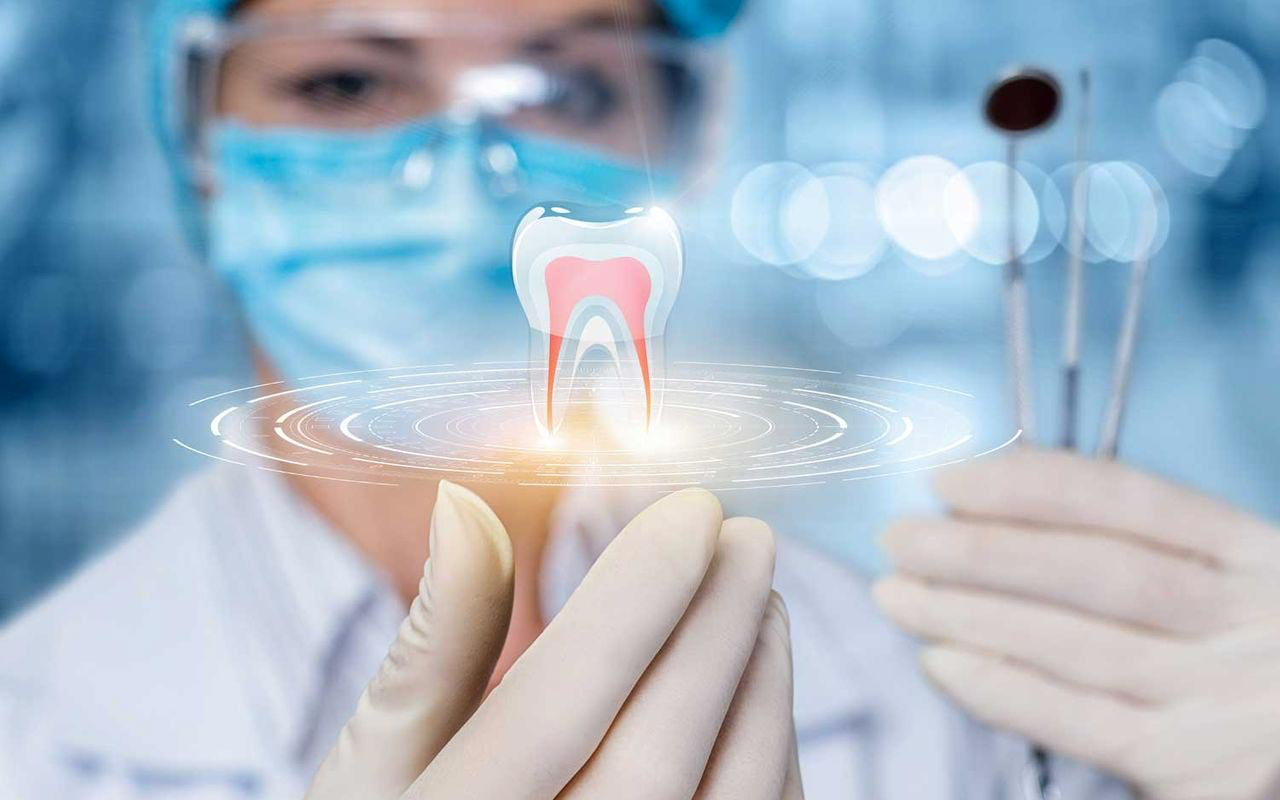
Comprehensive Dental Care at Metro Dental Hong KongComprehensive Dental Care at Metro Dental Hong Kong

Maintaining good oral health is essential for overall well-being, and choosing the right 種牙價錢 clinic plays a crucial role in achieving a healthy smile. Metro Dental, a leading dental care provider in Hong Kong, offers a full range of dental services with state-of-the-art technology and experienced professionals.

About Metro Dental

Metro Dental operates multiple clinics across Hong Kong, ensuring easy access to quality dental care. Their locations include Tsim Sha Tsui, Mong Kok, Yuen Long, Tseung Kwan O, and more. The clinics are equipped with modern dental technology, allowing patients to receive advanced and comfortable treatments.

Range of Dental Services

Metro Dental provides a wide variety of dental services, catering to both general and specialized needs. These include:

  • Dental Implants: A long-term solution for missing teeth, Metro Dental offers both traditional and minimally invasive implant procedures.
  • Orthodontics: Patients can receive consultations and treatment plans for braces, aligners, and other corrective measures.
  • Root Canal Treatment: This procedure helps save severely decayed or infected teeth, preventing the need for extraction.
  • Teeth Whitening & Aesthetic Dentistry: Metro Dental offers professional teeth whitening and ceramic veneers for a brighter, more confident smile.
  • Wisdom Tooth Extraction: Safe and efficient removal of problematic wisdom teeth.
  • Gum Disease Treatment: Comprehensive periodontal care to prevent and treat gum-related issues.
  • Children’s Dentistry: Specialized services for young patients, ensuring a comfortable and positive dental experience.

Expert Dental Team

Metro Dental boasts a team of highly qualified dentists and specialists, including orthodontists, periodontists, and implantologists. Led by experienced professionals, the team is dedicated to providing patient-centered care, using the latest techniques and equipment.

Cutting-Edge Facilities

One of Metro Dental’s key strengths is its modern facilities, particularly its Tsim Sha Tsui branch, which is recognized as a government-approved day procedure center. This clinic offers monitored anesthesia care for complex dental procedures, ensuring patient comfort and safety.

Patient-Centered Approach

Metro Dental prioritizes patient satisfaction and comfort. Their clinics are designed to provide a relaxing environment, and their team ensures clear communication about treatment options. They also accept healthcare vouchers and participate in community health programs, making dental care more accessible.

Convenient Locations & Booking

With several locations across Hong Kong, Metro Dental provides convenient access to high-quality dental services. Patients can easily book appointments via their official website or by calling the respective clinics.

Erotic Massage: Exploring the Sensual World of Intimate TouchErotic Massage: Exploring the Sensual World of Intimate Touch

Erotic massage is an intimate practice that blends the art of sensual touch with the benefits of relaxation, pleasure, and emotional connection. It is an experience that transcends the traditional concept of massage, focusing on awakening sensuality, building trust, and enhancing the bond between partners. Erotic massage is a beautiful way to reconnect with your body, engage in mindful touch, and explore both individual and shared desires.

While the practice is often associated with sexual arousal, it is much more than a simple prelude to intimacy. Erotic massage is about exploring the many layers of sensuality, relaxation, and emotional connection, fostering a deeper understanding of both oneself and one's partner.

This article explores what erotic massage is, the benefits it offers, the techniques involved, and how it can help deepen emotional and physical intimacy in relationships.

What Is Erotic Massage?

At its core, erotic massage is a form of bodywork that incorporates sensual touch to enhance pleasure and intimacy. It involves slow, deliberate, and mindful touch with a focus on creating heightened sensations and deep connection. Unlike traditional massage, which primarily aims to alleviate tension and improve circulation, erotic massage is centered on exploring the body’s sensual responses and building intimacy between partners.

The practice is not just about achieving physical pleasure—it’s about being present with your partner, honoring each other’s boundaries, and taking time to explore your desires in a safe, consensual environment. Whether performed with oils, candles, or soft music, erotic massage encourages couples to be fully present in the moment, enhancing connection, trust, and relaxation.

The Benefits of Erotic Massage

The physical and emotional benefits of erotic massage are vast, contributing to both individual well-being and the strengthening of relationships. Here are some key advantages of incorporating erotic massage into your intimate life:

1. Fosters Deeper Emotional Connection

Erotic massage creates a unique space for emotional intimacy to flourish. It allows partners to connect on a deeper level by offering vulnerability, trust, and attentiveness. The act of giving and receiving touch without the pressure of achieving sexual intercourse can encourage open communication, where both individuals feel free to express their desires, preferences, and boundaries. As a result, couples often experience a closer, more emotionally connected bond.

2. Promotes Relaxation and Stress Relief

Similar to traditional massage techniques, erotic massage can help alleviate muscle tension and reduce stress. The slow, deliberate strokes used in the practice help calm the nervous system, allowing both partners to relax fully. Additionally, the mindfulness required in erotic massage helps people stay present in the moment, reducing anxiety and promoting a deep sense of tranquility.

3. Increases Sensual Awareness and Pleasure

Erotic massage helps individuals become more attuned to their bodies and enhances their ability to feel pleasure. Through mindful touch, the recipient becomes more aware of the physical sensations that arise during the massage, creating a stronger connection to their own sensuality. The technique also focuses on erogenous zones—the areas of the body that are particularly sensitive to touch—creating an opportunity to explore physical pleasure in new ways.

4. Strengthens Communication and Trust

One of the most essential aspects of erotic massage is communication. Before, during, and after the massage, it’s important for both partners to openly discuss boundaries, desires, and preferences. This level of communication helps establish trust, allowing both individuals to feel comfortable and safe. Erotic massage becomes a form of mutual exploration, where the focus is not solely on the giver or the receiver but on the shared experience.

5. Boosts Body Confidence

For many individuals, erotic massage offers an opportunity to embrace their bodies in a positive and loving way. The gentle, affirming touch encourages self-love and acceptance, helping individuals feel more comfortable in their own skin. Whether solo or shared with a partner, escort massage fosters a sense of body positivity, contributing to increased confidence and a greater appreciation for one’s physical form.

Essential Techniques for Erotic Massage

The art of erotic massage involves specific techniques that promote relaxation, pleasure, and connection. The following are some of the most common methods used to enhance the experience:

1. Long, Fluid Strokes

Long, flowing strokes are the foundation of erotic massage. Using the palms, forearms, or entire hands, the giver applies slow and steady pressure along larger areas of the body, such as the back, legs, and arms. The key is to maintain a smooth, rhythmic pace that allows the receiver to relax and absorb the sensation. These strokes help relieve tension, encourage relaxation, and build anticipation for more intimate touch.

2. Circular Movements

Circular motions are excellent for stimulating specific areas of the body, especially on the shoulders, neck, lower back, and thighs. These motions are often performed with the palms or fingertips, and they can range from gentle to firm, depending on what feels most pleasurable. The circular technique can help release tight muscles and increase blood flow while heightening sensitivity in areas that are more responsive to touch.

3. Feather-Light Touches

Feather-light touches involve lightly brushing the skin with the fingertips. These soft, delicate strokes create a tingling sensation and increase sensitivity. This technique is particularly effective on erogenous zones such as the inner thighs, neck, or lower abdomen. The light touch builds anticipation and excitement, drawing attention to areas of the body that are highly responsive to sensual touch.

4. Focus on Erogenous Zones

Erogenous zones are parts of the body that respond more intensely to touch and can enhance sexual arousal. Common erogenous zones include the neck, breasts, inner thighs, and genitals. Erotic massage often focuses on these areas, applying gentle or firmer pressure to stimulate them. By focusing on these sensitive regions, erotic massage helps increase pleasure and excitement, leading to a more intense and satisfying experience.

5. Synchronizing Breathing

Breathing together with your partner helps create a rhythmic flow to the massage. By synchronizing your breath, you enhance the connection and make the experience feel more unified and mindful. Slow, deep breaths promote relaxation and create a sense of unity between partners. This practice helps both the giver and the receiver stay present and connected throughout the massage.

Creating the Perfect Environment for Erotic Massage

To fully enjoy the benefits of erotic massage, it’s important to set the right atmosphere. The right environment can enhance relaxation, sensuality, and intimacy, allowing both partners to fully immerse themselves in the experience. Here are a few tips for creating a space conducive to erotic massage:

1. Lighting

Dim or soft lighting is ideal for creating a relaxing and intimate atmosphere. You can use candles to add a warm, sensual glow to the room. The flickering light not only sets the mood but also provides a calming, soothing effect. You may also opt for soft, ambient lighting or use lamps with low wattage bulbs to keep the space cozy and inviting.

2. Music

Music plays an important role in setting the tone for an erotic massage. Choose soft, instrumental music or calming ambient sounds that help soothe the mind and enhance relaxation. Avoid anything too upbeat or jarring, as it may distract from the experience. Music should be soothing, allowing you and your partner to focus on the sensations of touch and the shared intimacy.

3. Aromatherapy

Essential oils can add a fragrant dimension to the massage experience. Lavender, ylang-ylang, sandalwood, and jasmine are popular oils for their relaxing and aphrodisiac qualities. You can use an essential oil diffuser or mix the oils with your massage lotion to create a calming atmosphere. The right scent can enhance the sensuality of the massage and promote relaxation.

4. Comfortable Space

Ensure that the space is comfortable and relaxing. Use soft blankets, pillows, or cushions to create a cozy environment. The surface you choose—whether it’s a bed, a mat, or a massage table—should be comfortable for both individuals. Adjust the room temperature to ensure it’s neither too hot nor too cold, as physical discomfort can distract from the experience.

Conclusion: Erotic Massage as an Invitation to Intimacy and Connection

Erotic massage is much more than a physical experience—it’s an invitation to deepen emotional intimacy, explore sensuality, and strengthen the connection between partners. It’s a practice that encourages open communication, trust, and vulnerability, all while allowing both individuals to experience physical pleasure in a mindful, respectful way.

Whether done alone or with a partner, erotic massage provides a safe space for self-exploration and mutual enjoyment. By engaging in this practice, individuals and couples can foster greater body awareness, emotional closeness, and sexual fulfillment. The key is to be present, communicate openly, and approach the experience with an open heart and mind, allowing the sensual energy to flow freely and fully.

E-Payments: The Digital Revolution Transforming Financial TransactionsE-Payments: The Digital Revolution Transforming Financial Transactions

In today’s fast-paced, technology-driven world, e-payments have become an integral part of our daily lives. From shopping online to transferring money between friends or paying bills on the go, digital transactions are redefining the way we manage money. As smartphones, internet access, and digital technologies continue to advance, e-payments offer greater convenience, speed, and security compared to traditional payment methods like cash or checks. This article explores the rise of e-payments, their benefits, challenges, and the future of digital transactions.

What Are E-Payments?

E-payments or electronic payments are any kind of transaction where money is exchanged digitally over the internet or through mobile apps, bypassing the need for physical currency. These digital transactions have made payments more accessible, offering faster, more secure ways to conduct financial operations. E-payments come in various forms, such as:

  • Credit and debit cards
  • Digital wallets (e-wallets)
  • Bank transfers
  • Cryptocurrency transactions
  • Mobile payment platforms

These systems allow consumers to make payments quickly, securely, and conveniently from virtually anywhere in the world. With growing acceptance and adoption, e-payments have reshaped not just how consumers spend money but also how businesses engage with customers.

Evolution of E-Payments

The journey of e-payments began in the 20th century, with pivotal milestones marking their evolution:

  1. Credit Cards and Early Payment Systems (1950s – 1980s)

    The first significant step in electronic payments was the introduction of credit cards in the 1950s. Credit card companies like Diners Club and American Express allowed consumers to pay for goods and services on credit, which helped establish the foundation for modern digital payment systems.

  2. The Internet Age: PayPal and Online Shopping (1990s – Early 2000s)

    With the rise of e-commerce in the 1990s, platforms like PayPal became essential for online payments. PayPal allowed users to send money to merchants and other individuals easily, expanding the reach of online shopping. This period also saw the introduction of secure payment gateways, further fostering online commerce.

  3. Mobile Payments and Wallets (2000s – Present)

    The next major shift came with the proliferation of smartphones. With apps like Apple Pay, Google Pay, and Samsung Pay, consumers could pay for goods at physical stores with a simple tap of their phone. Mobile wallets also allowed users to store their credit card information digitally, making online and in-store purchases even easier.

  4. Cryptocurrency and Blockchain (2009 – Present)

    The launch of Bitcoin in 2009, the world’s first decentralized cryptocurrency, introduced an entirely new way to conduct e-payments. Based on blockchain technology, cryptocurrencies allow for peer-to-peer payments without intermediaries like banks, enabling faster and cheaper transactions, especially across borders.

  5. Buy Now, Pay Later (BNPL) (2010s – Present)

    In recent years, the Buy Now, Pay Later (BNPL) service model has gained traction. Platforms like Klarna, Afterpay, and Affirm enable consumers to purchase items immediately and pay over time, usually interest-free, attracting younger consumers who prefer flexible payment terms.

Types of E-Payments

E-payments are now available in various forms, catering to different payment needs and consumer preferences. Some of the most common types of e-payment systems include:

  1. Credit and Debit Cards

    Credit and debit cards are the most common e-payment methods. When a consumer uses a credit card, they are borrowing money from the card issuer, which must be paid back later. Debit cards, on the other hand, allow the consumer to make purchases by directly drawing funds from their checking account. Visa, Mastercard, American Express, and Discover are among the most widely used card networks globally.

  2. Digital Wallets (E-Wallets)

    Digital wallets, or e-wallets, store a user’s payment information on their devices and allow them to make quick and secure transactions. Services like PayPal, Venmo, Google Pay, Apple Pay, and Samsung Pay allow users to link their bank accounts or credit cards to their wallets for easy payments, both online and in physical stores.

  3. Bank Transfers

    Bank transfers are another common method of electronic payment. These transactions can be carried out through online banking platforms, apps, or services like ACH (Automated Clearing House) in the U.S., which facilitates payments directly between bank accounts. Internationally, systems like SWIFT and SEPA help facilitate cross-border bank transfers.

  4. Cryptocurrency Payments

    Cryptocurrencies such as Bitcoin, Ethereum, and Litecoin have gained attention for their potential to revolutionize e-payments. Digital currencies enable secure, decentralized transactions that do not rely on traditional banking systems. Cryptocurrencies are gaining traction among businesses and consumers, especially for cross-border payments due to their speed and low transaction fees.

  5. Buy Now, Pay Later (BNPL)

    BNPL services have become increasingly popular for e-commerce, allowing consumers to purchase goods or services and pay for them in installments. Platforms like Klarna, Affirm, and Afterpay offer short-term, interest-free financing options, giving consumers flexibility in their payment choices.

Advantages of E-Payments

E-payments offer numerous benefits that have made them so appealing for consumers and businesses alike. Some of the key advantages include:

  1. Convenience and Accessibility

    E-payments provide unparalleled convenience. Whether on a smartphone, tablet, or computer, consumers can make transactions anytime, anywhere, without the need to carry cash or visit a physical bank. This has especially benefited the rise of e-commerce, as users can shop online and pay instantly.

  2. Speed and Efficiency

    Unlike traditional payment methods, which can take several days to clear, e-payments are processed almost instantly. Transactions between individuals, merchants, and financial institutions occur in real-time, making it easier for businesses to process orders and for consumers to make payments.

  3. Global Reach

    One of the significant benefits of e-payments is their ability to support international transactions. With traditional banking, cross-border payments often incur high fees and long processing times. With e-payments, especially through cryptocurrency, payments can be made across borders quickly and with minimal fees, making international trade more efficient.

  4. Security

    E-payment systems are designed with advanced security features to protect consumers' financial data. From encryption to multi-factor authentication, these systems minimize the risk of fraud. Blockchain technology, particularly in cryptocurrency payments, provides an extra layer of security by ensuring that transactions are immutable and transparent.

  5. Financial Inclusion

    payment system s are driving financial inclusion, particularly in underbanked regions. Mobile payment systems like M-Pesa in Africa have provided millions of people with access to financial services, allowing them to make payments, send money, and access savings accounts even without a traditional bank account.

Challenges of E-Payments

While the benefits of e-payments are clear, there are also challenges that need to be addressed to ensure widespread adoption:

  1. Cybersecurity Threats

    As e-payments rely on digital systems to process transactions, they are susceptible to hacking, data breaches, and fraud. Protecting consumers' sensitive financial information is crucial, and continuous innovation in cybersecurity measures is necessary to safeguard these platforms.

  2. Privacy Concerns

    E-payment systems often require the collection of personal data, which raises concerns about user privacy. There is a growing need for transparent data policies and secure systems that protect users' privacy while ensuring the smooth execution of digital transactions.

  3. Digital Divide

    Despite the rapid adoption of e-payments in developed regions, a significant digital divide remains in many parts of the world. Lack of internet access, smartphone ownership, and digital literacy prevent many individuals, particularly in rural and underserved areas, from benefiting from e-payment systems.

  4. Regulatory and Legal Issues

    As e-payments evolve, regulators and lawmakers face the challenge of creating comprehensive frameworks to govern digital transactions. This includes establishing consumer protection laws, regulating cryptocurrencies, and addressing concerns about anti-money laundering (AML) and know-your-customer (KYC) policies.

The Future of E-Payments

The future of e-payments is promising, driven by advancements in technology and changing consumer preferences. Some key trends to watch out for include:

  1. Blockchain and Cryptocurrencies

    As blockchain technology and cryptocurrencies continue to evolve, they are likely to reshape the way financial transactions occur globally. Central Bank Digital Currencies (CBDCs) could become the standard form of digital money, offering the benefits of cryptocurrencies with the backing of governments.

  2. AI and Machine Learning

    Artificial intelligence (AI) and machine learning will continue to play a significant role in enhancing security, fraud detection, and personalization in e-payment systems. AI-powered algorithms can identify suspicious activities in real time, helping to prevent fraud before it happens.

  3. Biometric Payments

    The use of biometric data, such as facial recognition or fingerprint scanning, will make payments even more seamless and secure. Consumers will be able to authorize transactions using their unique physical characteristics, reducing the need for passwords or PIN codes.

  4. Integrated IoT Payments

    The Internet of Things (IoT) is expected to facilitate automatic payments. Devices such as smartwatches, voice assistants, and smart appliances will enable users to make payments without even thinking about it, providing a frictionless experience.

Conclusion

E-payments have fundamentally changed the way we conduct financial transactions, making them faster, safer, and more convenient. With the growing prevalence of digital wallets, mobile payments, and cryptocurrencies, the digital payment landscape will continue to evolve. As technology advances, e-payments will drive further financial inclusion, streamline international transactions, and enhance the overall consumer experience. However, addressing challenges such as cybersecurity, privacy concerns, and regulatory frameworks will be essential to ensure that the benefits of e-payments are fully realized. The future of money is undoubtedly digital, and we are just beginning to witness the transformation it will bring to global finance.

Diamonds: The Unyielding Gem of Nature and InnovationDiamonds: The Unyielding Gem of Nature and Innovation

Diamonds have long been cherished as symbols of enduring love, wealth, and beauty. Their timeless appeal has transcended generations, cultures, and even scientific fields, making them a uniquely versatile gemstone. While they are most often associated with engagement rings and fine jewelry, diamonds also play a crucial role in various industries, from cutting-edge technology to scientific exploration. In this article, we will uncover the multifaceted nature of diamonds, exploring their origins, uses, and the ethical considerations surrounding their production.

1. The Origins of Diamonds: Nature’s Miracle

Diamonds form deep within the Earth under extraordinary conditions. At depths ranging from 90 to 120 miles below the Earth's surface, intense pressure and heat cause carbon atoms to crystallize into a diamond's unique structure. This process can take millions of years, making diamonds some of the oldest naturally occurring materials on Earth.

Once formed, diamonds are brought to the surface through volcanic eruptions, which create kimberlite pipes—funnels of rock that allow diamonds to reach the Earth's crust. These eruptions carry diamonds from their deep origins to the surface, where they are then extracted and cut into the stunning gemstones that are treasured worldwide.

The formation of diamonds under such extreme conditions contributes to their renowned strength and brilliance. As the hardest known natural material, diamonds are unparalleled in their ability to resist scratches and retain their clarity and shine over time.

2. The Allure of Diamonds: Cultural and Emotional Significance

Diamonds have captivated humans for thousands of years, and their allure goes far beyond their physical beauty. Throughout history, they have been associated with power, prestige, and eternal love. In ancient India, diamonds were seen as sacred objects, symbolizing the divine and believed to possess protective and healing powers. The belief that diamonds could enhance strength and provide invincibility led to their use by warriors and kings.

In the West, diamonds have long been tied to royalty and the elite. European monarchs, starting with the French kings, often wore diamonds as a display of their wealth and power. The most famous example is the Hope Diamond, which was once part of the French royal collection before making its way into the hands of collectors and institutions.

The modern association between diamonds and romantic love was solidified in the 20th century with De Beers' iconic "A Diamond is Forever" campaign. This marketing strategy transformed diamonds into the ultimate symbol of love and commitment, particularly through their use in engagement rings. Today, diamonds remain a deeply emotional symbol, often representing milestone moments like engagements, weddings, and anniversaries.

3. The Science of Sparkle: How Diamonds Achieve Their Dazzling Brilliance

What makes diamonds stand out is not just their size or rarity, but their ability to reflect light in a way that no other gem can. A diamond's brilliance, or sparkle, is primarily due to its cut. The precise arrangement of facets in a diamond allows it to reflect light in such a way that it bounces off the surfaces within the stone, creating its iconic shine. The cut of a diamond is an art form in itself, with professionals carefully shaping the gem to maximize its natural sparkle.

The clarity of a diamond also plays a role in how it shines. Diamonds with fewer internal flaws, known as inclusions, allow light to pass through more easily, enhancing their brilliance. Additionally, diamonds with minimal color tend to sparkle more since they allow more light to reflect off their surfaces. Lastly, the carat weight of a diamond impacts its size, with larger diamonds typically being more valuable.

A well-cut diamond will have a perfect balance of brilliance, fire (colored flashes of light), and scintillation (the sparkle seen when the diamond is moved). This combination of factors gives diamonds their signature visual appeal.

4. Diamonds in Industry: Beyond Jewelry

While diamonds are most famous for their use in jewelry, they also play an essential role in various industries due to their unique properties. Their unmatched hardness makes them indispensable in cutting, grinding, and drilling operations.

Diamonds are commonly used in industrial tools such as saw blades, drill bits, and grinding wheels to cut through tough materials like metal, stone, and concrete. These tools are used in manufacturing, construction, mining, and even in the creation of other gemstones. The ability of diamonds to cut through virtually any material without deteriorating ensures their continued demand in these sectors.

In recent years, diamonds have also found applications in technology. Their extraordinary thermal conductivity makes them ideal for use in electronics and high-performance computing. Diamond-based semiconductors are being developed for use in lasers, light-emitting diodes (LEDs), and other advanced electronic devices, where their ability to dissipate heat efficiently can prevent overheating and improve performance.

Moreover, diamonds are increasingly being explored for use in quantum computing, where their unique atomic structure may offer new ways to process information at unprecedented speeds and efficiencies.

5. Ethical Diamonds: Addressing Concerns About Mining Practices

The diamond industry has faced significant ethical scrutiny, particularly in regard to conflict diamonds or blood diamonds. These diamonds are mined in war zones and sold to finance armed conflict, often involving human rights violations and exploitative labor practices. To address this issue, the Kimberley Process Certification Scheme was established in 2003 to prevent the trade in conflict diamonds by ensuring that diamonds are sourced from regions not involved in conflict.

Despite these efforts, challenges remain, as the Kimberley Process has been criticized for its loopholes and lack of enforcement in some regions. This has led to growing consumer demand for ethical diamonds—stones that are mined in compliance with labor and environmental standards.

Lab-grown diamonds have become an increasingly popular alternative, offering a sustainable, conflict-free option. Created in controlled environments using high-pressure, high-temperature methods or chemical vapor deposition, lab-grown diamonds are chemically identical to natural diamonds. They have the same brilliance, durability, and beauty, but without the environmental and ethical concerns tied to traditional mining practices. As technology advances, the cost of producing lab-grown diamonds continues to decrease, making them a more accessible and ethical choice for many consumers.

6. The Future of diamond tester s: Sustainability and Technological Advancements

The future of diamonds lies in both sustainability and innovation. As demand for eco-friendly and ethically sourced products continues to grow, the diamond industry is shifting toward more sustainable practices. Efforts are being made to reduce the environmental impact of diamond mining, including using more energy-efficient mining processes and restoring mined lands.

Lab-grown diamonds are poised to play a significant role in the future, offering a sustainable alternative without compromising on quality. As they become more mainstream, they could change the diamond market, providing consumers with more options for responsibly sourced, environmentally friendly diamonds.

On the technological front, diamonds will continue to be explored for their potential in fields such as quantum computing, medicine, and energy storage. Their unique properties—particularly their ability to conduct heat and light with minimal energy loss—make them invaluable in the development of next-generation technologies. As research into diamond-based materials progresses, we may see them become integral components of everything from high-speed computers to medical diagnostic devices.

Conclusion: Diamonds—A Legacy of Beauty and Innovation

Diamonds have earned their place in history as symbols of love, wealth, and resilience. Their formation deep within the Earth and their stunning ability to capture light have made them an object of fascination for centuries. While diamonds are most commonly associated with jewelry, their impact extends far beyond adornment, influencing industries, technology, and scientific advancements.

As the diamond industry evolves to meet the demands of ethical sourcing and sustainability, the gemstone's legacy will continue to shine brightly. Whether in the hands of royalty, adorning an engagement ring, or powering cutting-edge technology, diamonds will remain a symbol of nature’s brilliance and humanity’s ingenuity.