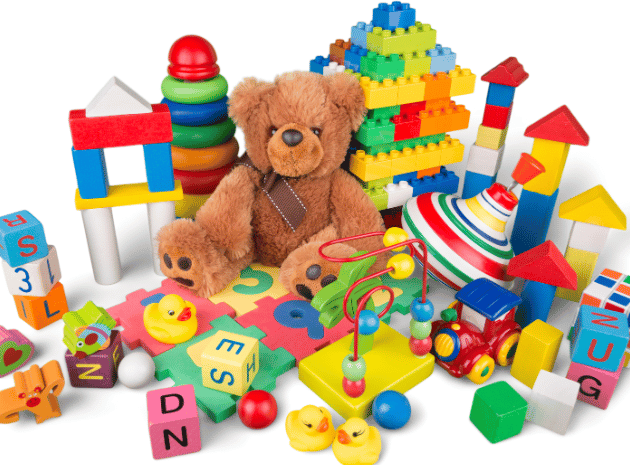
Toys have long been regarded as simple playthings that bring joy and entertainment to children, but their role in a child's life goes much deeper. Far beyond just amusing distractions, 玩具網購 are the silent architects of cognitive, emotional, social, and physical development. They serve as tools for exploration, learning, and self-expression, contributing to the holistic growth of children. Whether it's through building, imagining, interacting, or experimenting, toys offer children a safe and engaging way to navigate the complexities of the world around them. This article explores how toys shape a child's developmental journey and the critical role they play in nurturing future generations.
The Cognitive Foundation: Toys as Tools for Learning
Toys serve as the first learning instruments for children, laying the foundation for their cognitive abilities. From birth, babies interact with toys that engage their senses and promote brain development. Simple toys like rattles or colorful objects help infants learn to track movement and recognize patterns, stimulating brain development. As children grow older, more complex toys introduce new challenges that further nurture cognitive skills such as problem-solving, memory, and logic.
Puzzles, building blocks, and games requiring strategy—such as board games—are excellent examples of toys that foster critical thinking. For example, when a child assembles a puzzle or solves a maze, they engage in spatial reasoning and develop memory recall. When they build a structure with blocks or LEGOs, they exercise their ability to plan, organize, and visualize. These types of play enhance a child’s problem-solving abilities and improve their concentration, patience, and logical thinking.
STEM (Science, Technology, Engineering, Mathematics) toys have revolutionized the way children engage with learning. Toys like robotics kits, coding games, and construction sets introduce children to foundational concepts in engineering, mathematics, and technology. By engaging with these toys, children build early problem-solving skills that are crucial in today’s rapidly evolving world. As they navigate challenges and create their own solutions, they develop skills that will serve them in future academic and professional endeavors.
Emotional Growth: Exploring the Inner World through Play
Toys also play a significant role in a child's emotional development. Through imaginative play, children explore their emotions, work through challenges, and develop empathy. Pretend play—where children take on different roles and create scenarios—offers an opportunity for them to process their own feelings and gain a better understanding of the feelings of others.
When children play with dolls, action figures, or stuffed animals, they often act out scenarios that mirror real-life experiences. Whether it's playing house, pretending to be a teacher, or enacting a doctor-patient scenario, children practice emotional responses and navigate social situations in a safe and controlled way. This type of play helps children understand different emotions, such as happiness, sadness, anger, and fear, and learn how to regulate them appropriately.
Emotional development also extends to the practice of nurturing and caring for others. Toys like dolls and stuffed animals offer children a chance to express care, kindness, and concern—traits that are critical for forming strong relationships. This can help children understand the concept of compassion, teaching them how to comfort others in times of distress. Through this emotional practice, children build empathy and social responsibility, which are essential skills for forming meaningful connections with others as they grow.
Social Skills: The Power of Group Play
Toys don’t just support emotional and cognitive development—they also play a crucial role in helping children develop social skills. Social development is essential for children to navigate relationships with family members, peers, and others in their community. Many toys are designed to encourage cooperative play, helping children learn valuable skills such as sharing, turn-taking, collaboration, and conflict resolution.
Board games, card games, and group-building activities are excellent examples of toys that help children interact with others and practice social dynamics. Whether they’re playing a competitive game like Monopoly or a collaborative one like Jenga, children learn how to negotiate, communicate, and handle both victory and defeat gracefully. These experiences teach children how to navigate the complexities of relationships and group dynamics in a positive way.
Furthermore, toys that encourage physical activity—such as sports equipment, jump ropes, or outdoor games—foster teamwork and help children build bonds with their peers. Through active play, children also learn about fair play, communication, and leadership, which are vital skills that extend beyond childhood and into adulthood. By playing with others, children practice the art of collaboration, learning how to work together towards a common goal.
Creativity and Imagination: Sparking Innovation
One of the most magical aspects of toys is their ability to fuel creativity and imagination. When children engage in free play with open-ended toys, such as building blocks, craft supplies, or art materials, they are given the freedom to create and explore their ideas without limitation. This type of imaginative play not only nurtures creativity but also fosters a sense of autonomy and independence.
Toys that allow for imaginative role-play, such as dolls, action figures, or playsets, invite children to create their own stories, develop characters, and navigate various scenarios. Whether they are pretending to be superheroes, doctors, or explorers, children develop storytelling abilities and creative thinking as they invent new worlds and situations. This imaginative play also enhances their ability to think outside the box and approach problems from different angles—skills that are critical in the modern world.
Artistic toys—such as paints, drawing tools, musical instruments, or modeling clay—encourage children to express themselves through art and design. This self-expression helps children better understand their own emotions and desires, while also providing an outlet for creativity. Whether through painting, drawing, or sculpting, children develop the ability to convey ideas, emotions, and stories in ways that words cannot. Artistic toys give children the tools to communicate their inner thoughts and feelings, building confidence and self-awareness.
The Impact of Technology: Innovation and Responsibility
The advent of technology has introduced new dimensions to the world of toys. While traditional toys continue to be crucial in child development, digital and interactive toys are now also a significant part of the landscape. These toys often incorporate technology, such as touchscreens, voice interaction, or augmented reality, to engage children in learning while they play.
STEM-based toys like coding robots, electronic circuits, and programmable kits offer children the chance to learn technical concepts in an engaging and interactive way. These toys build foundational skills in technology and engineering, preparing children for the future. Digital toys also encourage critical thinking and problem-solving as children work to understand how technology works and how to use it creatively.
However, with the rise of digital toys, there is also an increasing focus on the importance of balance. While technology offers valuable educational opportunities, it's crucial for children to maintain a balance between digital play and traditional, hands-on activities. Parents and caregivers must guide children to use technology responsibly and ensure that they continue to engage with toys that encourage physical, social, and emotional growth.
Sustainable Play: Toys for a Greener Future
As global awareness of environmental issues grows, there is an increasing demand for eco-friendly toys. Many parents are seeking out toys made from sustainable materials, such as organic cotton, bamboo, and recycled plastic. These environmentally conscious choices help reduce waste and promote sustainability, teaching children valuable lessons about caring for the planet.
Sustainable toys also offer an opportunity to teach children about the impact of consumerism and the importance of making mindful choices. By playing with eco-friendly toys, children can learn about the materials that go into the products they use and the importance of environmental stewardship. In this way, toys can foster a sense of responsibility for the planet, encouraging children to grow up as mindful, conscious citizens.
Conclusion: The Lasting Influence of Toys
Toys are not just objects that occupy a child’s time—they are essential tools that nurture development and unlock potential. From enhancing cognitive skills to promoting emotional growth, creativity, and social interaction, toys play an integral role in helping children become well-rounded individuals. As they grow, toys help shape how children learn, how they interact with others, and how they view the world around them.
In a world where technology, sustainability, and education are increasingly important, toys continue to evolve, providing new ways for children to learn, explore, and create. However, the core value of toys will always remain the same: to spark curiosity, foster imagination, and support the growth of every child. In this sense, toys are truly the silent architects of childhood, laying the foundation for a future of learning, growth, and innovation.